Nigeria mattress market overview & orthopedic niche

Orthopedic Mattress Trends in Nigeria

1. Rising Awareness & Health-Driven Demand

Over the past few years, Nigerian consumers have become increasingly health conscious, and one of the manifestations is stronger attention to sleep quality and spinal health. Chronic back pain, musculoskeletal aches, and neck strain are common complaints in urban workforces, and many are seeking mattress solutions that go beyond mere comfort.

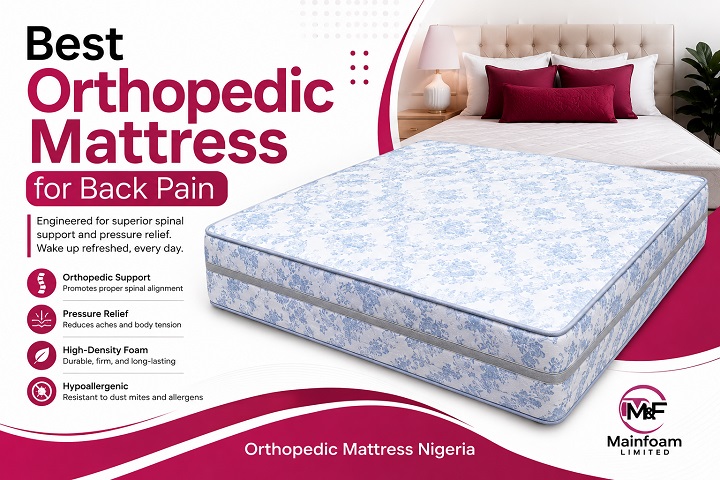
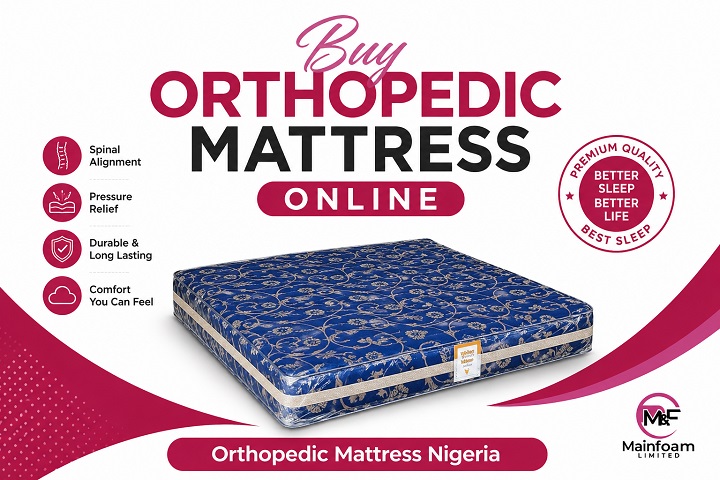
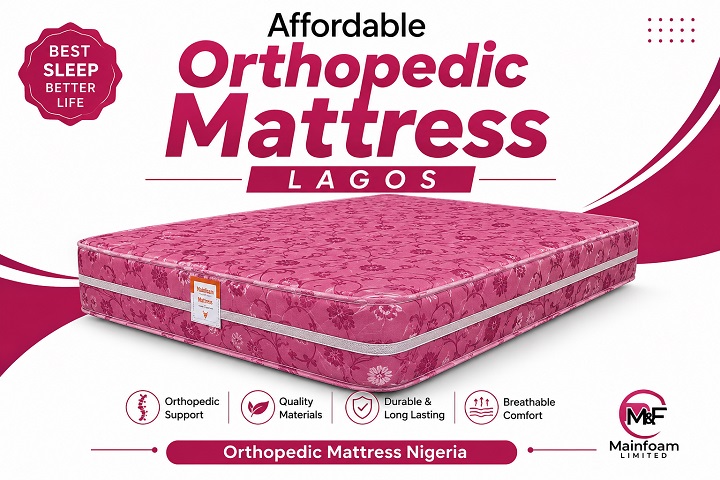
In response, orthopedic mattresses—designed to support proper spinal alignment and reduce pressure points—are gaining traction. This is particularly true in cities like Lagos, where buyers are willing to invest more in durable, performance mattresses. For instance, Mainfoam’s Lagos offering of orthopedic mattresses highlights “V-firm support for adults,” catering to this need. (See: Orthopedic Mattress in Lagos, Nigeria).

As the education around sleep and posture improves, the claim “orthopedic” is becoming a differentiator (though beware of overuse; not every mattress tagged “orthopedic” delivers genuine therapeutic benefit).

2. Market Growth, Size & Projections

  • According to 6W Research, the broader Nigeria mattress market is projected to grow at a modest pace: starting around 2.34 % CAGR in 2025, reaching a peak of ~3.03 % in 2027, then moderating thereafter. 6Wresearch
  • Ken Research values the Nigeria mattress & sleep products market at USD 590 million (circa 2024), noting growth is driven by urbanization, rising incomes, and premium segment adoption (including orthopedic and memory foam mattresses). Ken Research
  • A more consumer-facing projection by MarketingEdge expects Nigeria’s mattress market revenue to hit USD 237.79 million by 2025, albeit with a relatively low CAGR of ~1.62 % from 2025–2029. Marketing Edge Magazine

These figures suggest that while growth is not explosive, there is steady upward movement; within that, the orthopedic niche is seen as a premium, higher-margin subsegment.

3. Consumer Preferences & Product Features

a. Firmness, Thickness & Zonal Support
Many Nigerian buyers seeking orthopedic mattresses prefer firmer feels or medium-firm grades, believing they deliver better spinal support and reduce “sagging.” Thickness (8″, 10″, 12″) is often used as a marketing lever, though true orthopedic performance comes more from internal support structure (high-density foam, zoned core) than sheer height. Mainfoam offers a discussion of 6×6 orthopedic mattress thickness options which illustrates how thickness and core design interplay. (See: 6×6 Orthopedic Mattress Thickness Options Nigeria).

b. Size & Dimensions
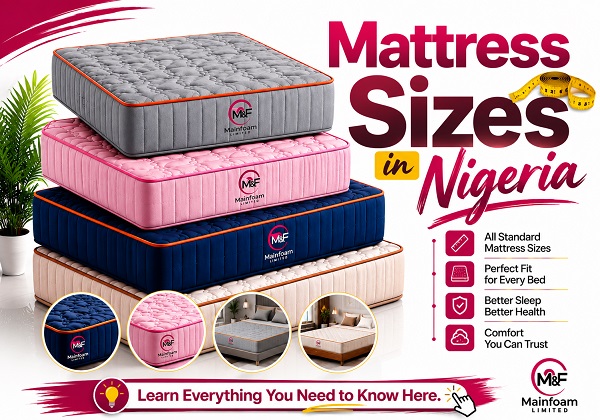
Space constraints in many Lagos and Abuja apartments push buyers toward flexible dimensions. Larger sizes (e.g. 7×7) are becoming desirable, especially for couples, to provide extra sleeping area. Mainfoam’s Buy 7×7 Orthopedic Mattress page positions that size as a “spacious & durable sleep solution.” (See: Buy 7×7 Orthopedic Mattress in Nigeria).

Also, conventional sizes (king, queen) are still in demand, but the emergence of customized dimensions (e.g. 79×71, 72×80) is notable, especially for local manufacturers who can tailor to room geometry.

c. Material Quality, Warranty & Certifications
Consumers are getting more skeptical of “orthopedic” claims. They care about density of foam, warranty durations, brand reputation, and third-party certification. Some mattress forums in Nigeria caution that many mattresses are labeled “orthopedic” without supporting structure. Nairaland

Brands that emphasize transparent specifications (core densities, zoned support layers, cover fabric) and back them with warranties or return policies tend to win trust.

d. Buying Channels: Offline & Online
While brick-and-mortar showrooms remain important (buyers often want to test the mattress in person), online sales are steadily rising—particularly for direct-to-consumer mattress brands. The online channel allows wider reach (nationwide delivery) and often better margins. Moreover, consumers are more comfortable making higher-value purchases online if the brand offers trial periods, return policies, and clear specs.

4. Opportunities & Challenges

Opportunities

  • Urban housing boom: As more Nigerians move to cities and purchase new homes or apartments, demand for quality furnishings (including orthopedic mattresses) rises.
  • Premium segment growth: The middle and upper income segments are increasingly willing to pay for mattress features that promise durability, health benefits, and comfort.
  • Customization & local production: Local mattress producers who can tailor firmness, size, and features have an edge over imports, especially when logistics costs are considered.
  • Brand differentiation via education: Educating consumers about true orthopedic features can reduce mis-labeling and build brand loyalty.

Challenges

  • Low awareness or misinformation: Some buyers believe “soft = good” or are misled by marketing.
  • Price sensitivity: Many consumers are still cost-conscious; premium orthopedic models must justify their higher price.
  • Import dependency on raw materials: Foam cores, specialty fabrics, or support springs often need imported inputs, which exposes the supply chain to currency risk.
  • Quality and regulatory standards: Some mattress industry in lacks consistent quality enforcement; some “orthopedic” mattresses do not meet expected structural standards.

Add a review

Your email address will not be published. Required fields are marked *