Memory foam Mattress

Memory Foam vs High-Density Foam: Which Mattress Is Better for You?

Introduction: Understanding Foam Mattress Basics

Choosing between memory foam and high-density foam can be confusing, especially if you’re shopping for comfort, durability, and long-term value. Both foams offer unique benefits, but they serve different sleep needs. Memory foam is known for its soft, luxurious, body-hugging feel, while high-density foam is preferred for its firmness, stability, and long-lasting support.
This guide breaks down everything you need to know so you can choose the mattress that suits your body and your lifestyle.


What Is Memory Foam? A Deep Dive

Memory foam is a viscoelastic material that responds to heat and pressure. This allows it to mold to the natural curves of your body, providing a plush, contouring sensation many sleepers love.

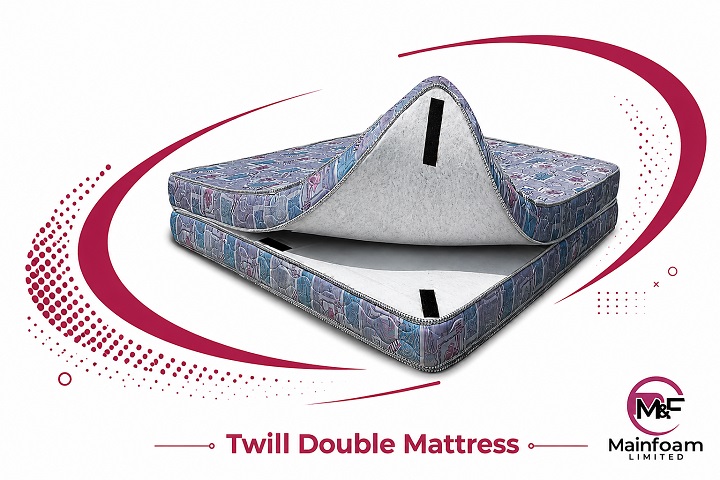
If you want a premium comfort experience, explore a good example like this plush pressure-relieving model:
👉 See a memory foam mattress designed for customized comfort

Best for: soft luxury, body contouring, pressure relief.


What Is High-Density Foam? The Supportive Alternative

High-density foam is built with more tightly packed material, making it firmer, more supportive, and extremely durable. It doesn’t sink as deeply as memory foam, which helps maintain a steady, stable sleeping surface.

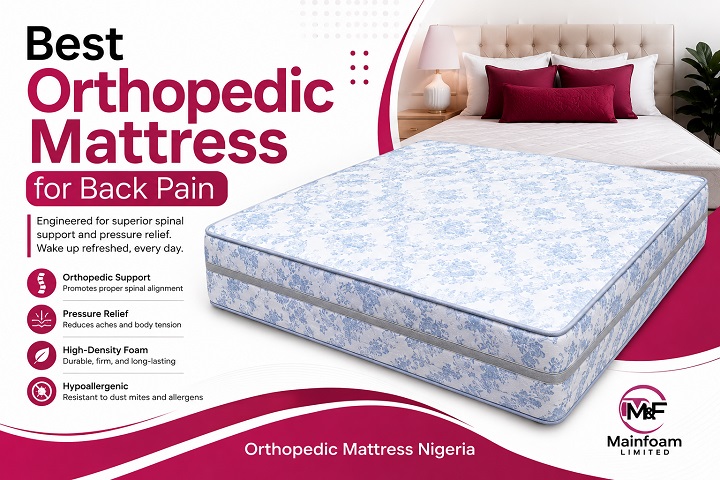
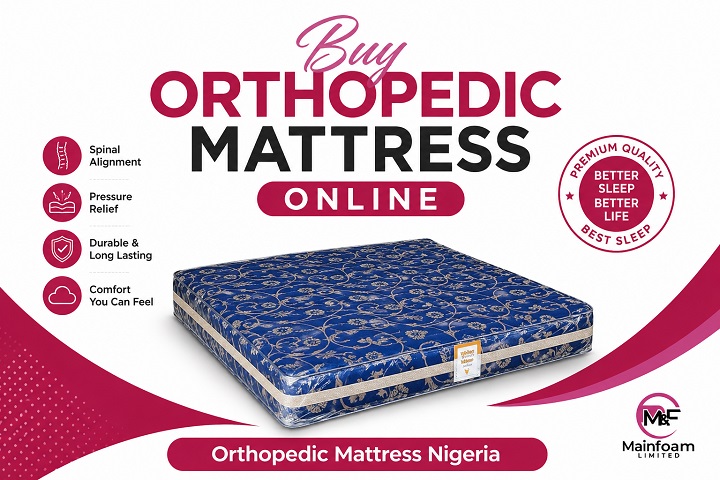
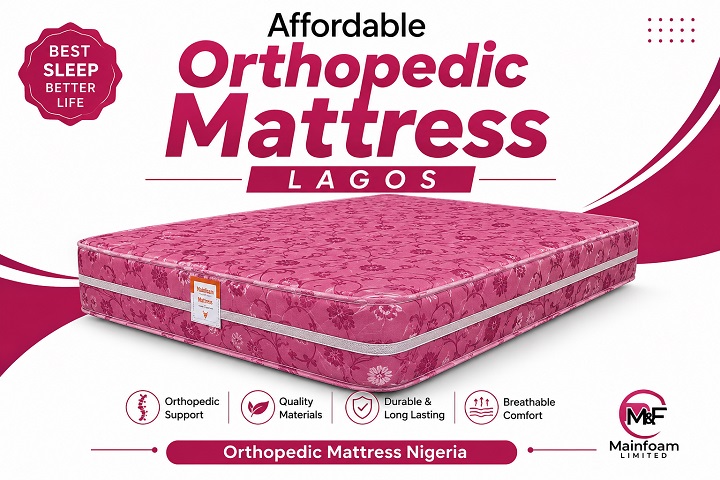
For a strong example of support, check out this orthopedic-level high-density foam design:
👉 Explore a supportive orthopedic mattress for firm comfort

Best for: firmness, back support, durability.


Key Differences: Material Composition and Feel

Here’s how both foams compare from the inside out:

  • Memory Foam: Viscoelastic, pressure-reactive, soft, slow response time.
  • High-Density Foam: Tightly compact cells, firm, fast response time, stable feel.

High-density foam is the sturdier option while memory foam delivers the softer, richer sleep experience.


Comfort and Pressure Relief: How They Compare

If comfort means sinking into a cloud-like bed, memory foam is the winner. It adapts to your hips, shoulders, and spine, relieving pressure points.

If comfort means support without sinking, high-density foam is ideal. It’s excellent for people who dislike overly soft mattresses.


Durability and Longevity: Which Lasts Longer?

Though memory foam offers rich comfort, high-density foam generally lasts longer due to its compact structure.
If longevity is your priority, high-density foam is the better investment.

Learn more about density levels here:
👉 Guide to understanding foam density


Temperature Regulation: Staying Cool at Night

  • Memory Foam: Can trap heat, although modern versions include cooling layers.
  • High-Density Foam: Naturally cooler because it does not cocoon the body as deeply.

If you are a hot sleeper, high-density foam tends to perform better.


Motion Isolation: Ideal for Couples?

Memory foam is superior for motion absorption. If your partner tosses and turns, a memory foam mattress will keep you undisturbed.

High-density foam isolates movement fairly well, but not as effectively as memory foam.


Health Considerations: Back Pain, Allergies, and More

  • Back Pain: High-density foam or an orthopedic mattress is typically recommended due to its firm, spine-aligning support.
  • Pressure Points: Memory foam helps reduce pressure buildup.
  • Allergies: Both are hypoallergenic, but memory foam may trap less dust due to its denser cell structure.

Price Breakdown: Value for Your Budget

  • Memory Foam: Usually more expensive because of its comfort technology.
  • High-Density Foam: More affordable and offers excellent long-term value.

If budget matters but you still want strong support, high-density foam is the smart choice.


Who Should Choose Memory Foam?

Choose memory foam if you want:

  • soft, luxurious comfort
  • deep contouring
  • pressure relief
  • minimal motion transfer
  • a premium feel when lying down

It’s the perfect choice for side sleepers, comfort seekers, and anyone who loves a “cushiony” bed.


Who Should Choose High-Density Foam?

Choose high-density foam if you want:

  • strong, durable support
  • a firmer sleeping surface
  • improved spine alignment
  • long-lasting performance
  • cooler sleep

This is ideal for back sleepers, stomach sleepers, heavy individuals, and anyone who dislikes soft foam.


“Let’s go over the main idea again, but this time, we’ll keep it very simple.”

  • Memory foam = Soft luxury and body-hugging comfort.
  • High-density foam = Firmness, durability, and long-term support.
    Your choice depends on whether you want soft comfort or solid support—that’s the easiest way to decide.

Add a review

Your email address will not be published. Required fields are marked *