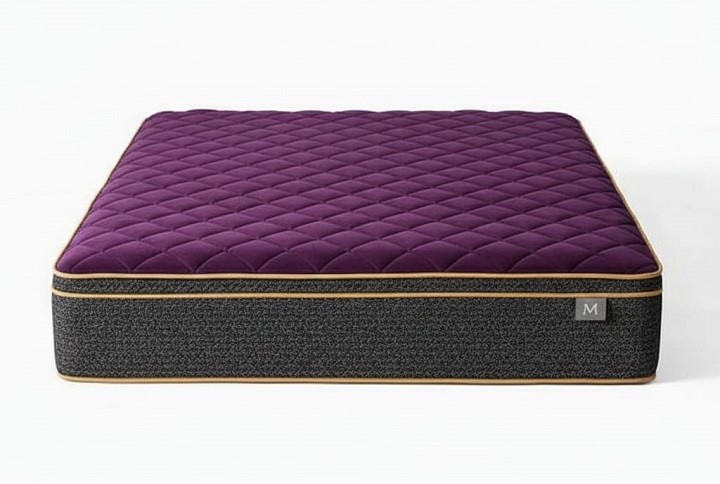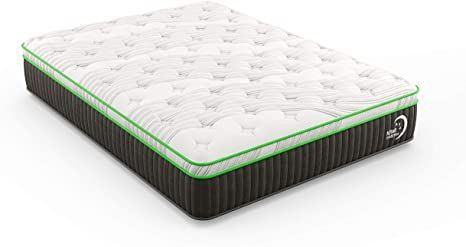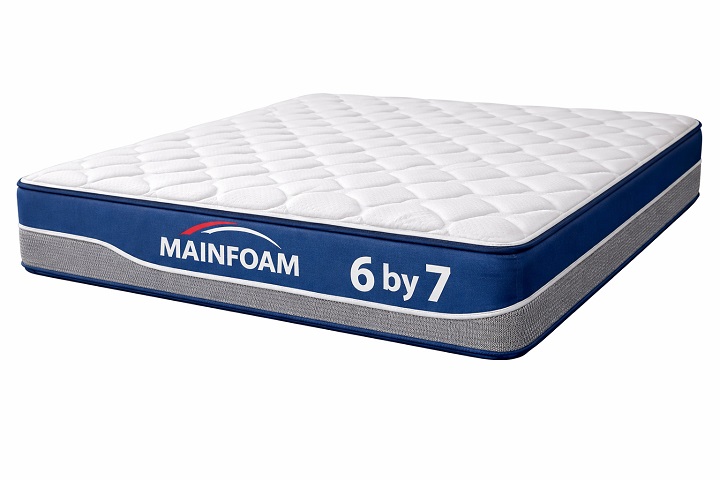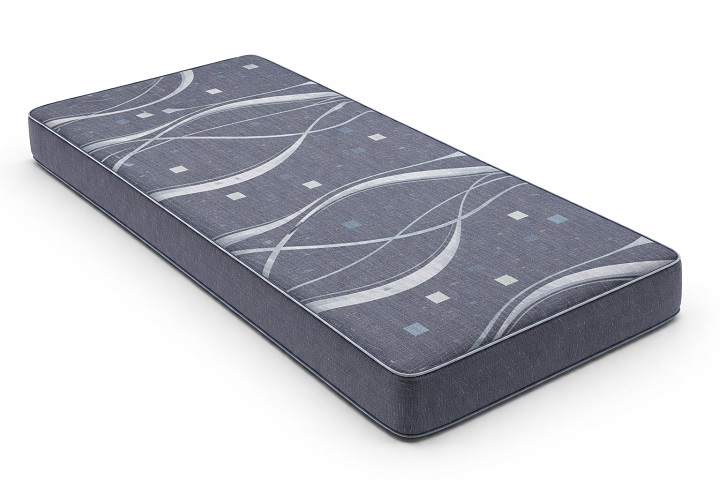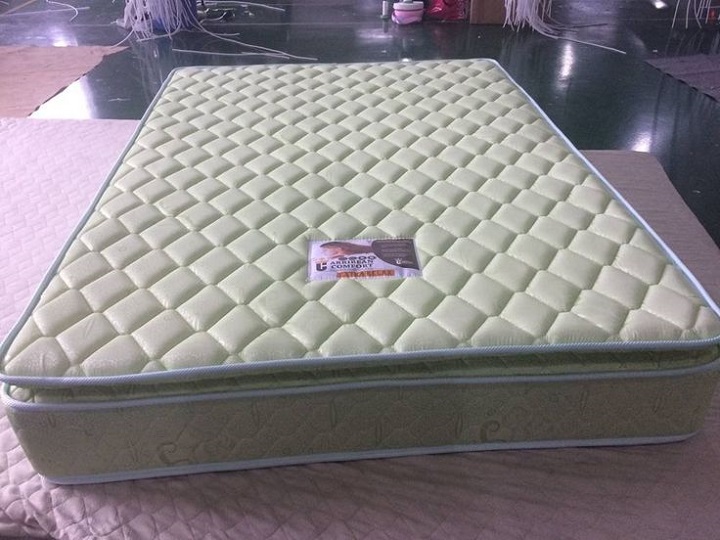

If you’ve been comparing mattresses online, you’ve probably run into the high density foam vs low density foam debate more than once — and for good reason. The density of the foam inside your mattress determines almost everything about how it feels, how long it lasts, and most importantly, how well it supports your spine while you sleep. In this guide, we’ll break down the real difference between high density foam vs low density foam, explain what foam density actually means, and help you decide which one is right for your back, your budget, and your bedroom in Nigeria’s humid climate.
What Does “Foam Density” Actually Mean?

Foam density refers to how much foam material is packed into a given volume — usually measured in kilograms per cubic meter (kg/m³) or pounds per cubic foot (PCF). It has nothing to do with firmness directly; a foam can be dense and still feel soft, or low-density and still feel firm. Density is really a measure of how much material is in the foam, which affects durability, support, and how the foam responds to body heat and pressure over time.
According to the Sleep Foundation, denser foams are generally more durable and tend to outlast lower-density materials, and they’re also less susceptible to sagging and resistant to damage and tears. That single fact is the foundation of the entire high density foam vs low density foam conversation — and it’s why density matters more than most shoppers realize. Sleep Foundation
High Density Foam vs Low Density Foam: The Core Differences

When you put high density foam vs low density foam side by side, three things stand out immediately: support, durability, and temperature.
Support and spinal alignment. Higher-density foams generally conform closer to the body than low-density foams, which means better pressure relief — by molding closer to the sleeper’s body, less pressure builds up around the back and shoulders. This is the main reason high-density foam is so often recommended for people dealing with back, hip, or shoulder pain. Sleep Foundation
Durability. Low-density foam compresses faster and can develop visible body impressions within a year or two, especially in Nigeria’s heat and humidity. High-density foam holds its shape far longer, which is one reason it costs more upfront but saves money over the life of the mattress.
Heat retention. This is the one category where low-density foam has an edge — lower-density foams tend to offer better airflow and don’t absorb as much body heat compared to high-density foam materials. That’s worth keeping in mind if you sleep hot or live in a non-air-conditioned room, though most modern high-density orthopedic foams are now engineered with ventilation channels to offset this. Sleep Foundation
Best Foam for Back Pain: Why Density Matters More Than Softness

A lot of people assume a “soft” mattress is automatically good for back pain. It isn’t. The best foam for back pain is one that keeps your spine in a neutral position all night — not too sunken, not too rigid. WebMD notes that in a controlled study, people with low back pain who used medium-firm mattresses for 90 days reported the least discomfort compared to those on firmer surfaces, which lines up with what orthopedic specialists generally recommend: a supportive, medium-firm foam that contours without collapsing. WebMD
This is exactly where high-density foam earns its reputation as the best foam for back pain. Because it doesn’t break down as quickly, it keeps delivering consistent lumbar support months and years after a low-density foam mattress would have flattened out. If you’re currently dealing with chronic back pain, our guide on the best 6×6 mattresses for back pain relief in Nigeria goes deeper into mattress selection by sleeping position and body type.
Foam Density Nigeria: Why Local Climate Changes the Equation
Foam density in Nigeria isn’t just a comfort preference — it’s a practical necessity. Lagos, Abuja, Port Harcourt, and most Nigerian cities deal with high humidity, heat, and in many homes, irregular electricity for fans or AC units. Low-density foam in this kind of climate tends to soften and sag faster than it would in a cooler, drier environment, shortening the lifespan of an already lower-quality mattress.
High-density foam, by contrast, holds up far better against heat and moisture over time, which is why most reputable Nigerian foam manufacturers — including Mainfoam — build their mattresses around higher-density cores specifically for the Nigerian market. If you want a closer look at how foam density is tested and rated, our dedicated foam density page breaks down the exact specifications we use in production.
High Density Mattress Lagos: What to Look for When Buying
If you’re shopping for a high density mattress in Lagos, here’s what actually matters beyond the price tag:
- Density rating – Ask for the foam’s density in kg/m³, not just “high density” as a marketing term. Genuine high-density foam typically falls between 35–45 kg/m³ or higher for the support core.
- Layer construction – A good high-density mattress usually combines a firmer high-density base with a slightly softer comfort layer on top, rather than a single uniform block.
- Orthopedic certification or design – Mattresses specifically engineered for spinal support often carry “orthopedic” labeling, indicating the foam structure has been designed around back support rather than just comfort.
- Trial period and warranty – Reputable Nigerian manufacturers should offer some form of warranty reflecting the foam’s expected durability.
For Lagos buyers specifically dealing with back pain, we put together a focused comparison in our best 6×6 orthopedic mattress for back pain in Nigeria guide, which walks through real options available locally.
High Density Foam vs Low Density Foam: Which Should You Choose?
So, when it comes down to high density foam vs low density foam, the decision really depends on your priorities:
- Choose high-density foam if you want long-term durability, consistent spinal support, and you’re dealing with back, hip, or joint pain.
- Choose low-density foam only if budget is the absolute top priority and you’re prepared to replace the mattress sooner — or if you specifically want a softer, more breathable sleep surface and don’t have underlying back issues.
For most Nigerian households, especially anyone sleeping in a hot room without consistent cooling, high-density foam is the more sensible long-term investment. It costs more initially, but the support and lifespan more than make up for the difference.
Final Thoughts
The high density foam vs low density foam comparison ultimately comes down to one question: are you buying for comfort today, or support for years to come? If your back pain, sleep quality, or mattress lifespan matters to you, high-density foam is almost always the better choice — particularly in Nigeria’s climate, where lower-density materials tend to break down faster.
Ready to feel the difference yourself? Browse Mainfoam’s full range of high-density mattresses or visit mainfoam.com to explore mattresses engineered specifically for Nigerian sleepers and back support.