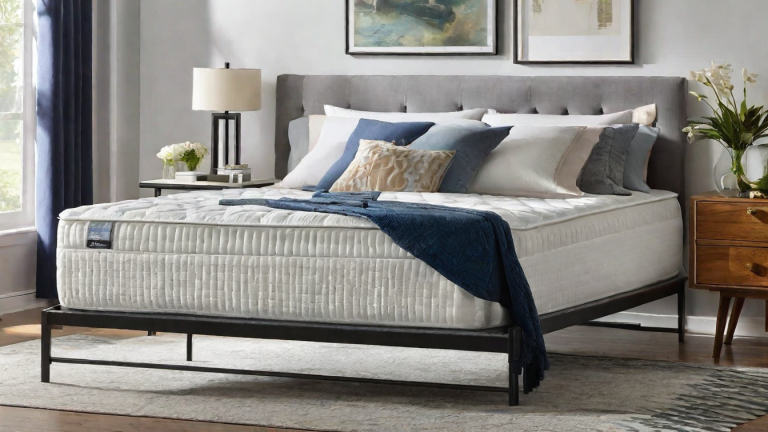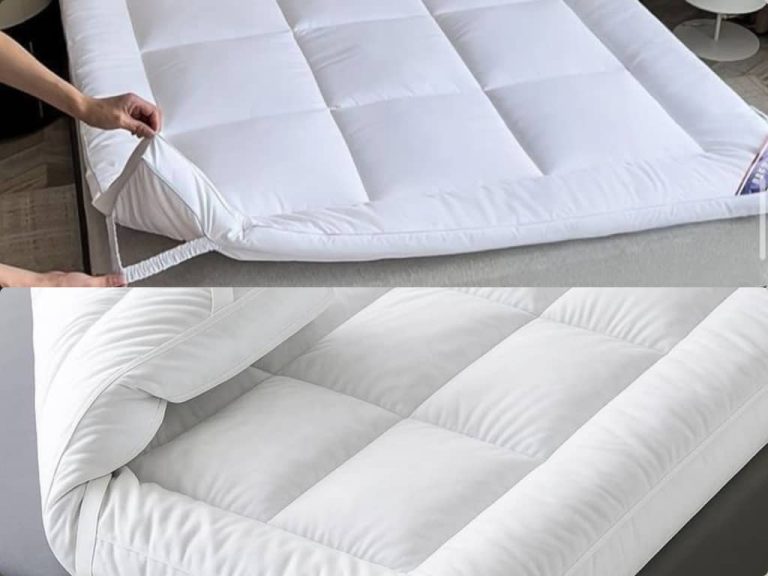

If you’ve ever woken up with a stiff back and wondered whether your mattress is to blame, you’re asking exactly the right question. How long does a foam mattress last is one of the most common questions Nigerians ask before buying a new bed — and one of the least honestly answered. The truth is, foam mattress lifespan in Nigeria is shorter than the global average, and if you’re sleeping in Lagos, Abuja, or Port Harcourt, the heat and humidity are working against you every single night.
In this guide, we break down exactly how long a quality foam mattress lasts, what shortens its life in the Nigerian climate, and the clearest signs it’s time to replace your mattress before your spine pays the price.
How Long Does a Foam Mattress Last — The Real Numbers

The global benchmark for a foam mattress lifespan is 7 to 10 years. High-density foam mattresses from reputable manufacturers can push that to 10 years or beyond with proper care, while low-density budget foam may start breaking down within 1 to 3 years.
Here’s a quick breakdown by foam type:
- Low-density polyurethane foam (common in budget mattresses): 1– 3 years
- Mid-density foam (standard household mattresses): 4 –5 years
- High-density foam (premium quality): 6 –7 years
- Orthopedic/rebonded foam: 7–10 years depending on core density
The density of the foam — measured in kilograms per cubic metre (kg/m³) — is the single most reliable predictor of how long your mattress will hold up. Denser foam resists compression, rebounds properly after each night’s sleep, and maintains its shape under body weight over many years.
At M&F Mainfoam Limited, all mattresses are manufactured with carefully graded foam densities to ensure they outlast the cheaper alternatives flooding the Nigerian market.
Why Foam Mattress Lifespan Nigeria Is a Different Conversation

Nigeria’s climate adds a layer of complexity that most international mattress guides simply ignore. Lagos averages temperatures between 26°C and 33°C year-round, with humidity levels that regularly exceed 80%. This combination is particularly harsh on foam.
Here’s what happens inside your mattress in that kind of heat:
Heat accelerates polymer breakdown. Foam is made from polyurethane polymers. Sustained heat above 30°C speeds up the chemical degradation of those polymers, causing the foam to lose its rebound capacity faster than it would in a cooler climate.
Humidity feeds mould and mildew. Moisture trapped inside a foam mattress creates conditions for microbial growth. This doesn’t just shorten mattress durability in Lagos — it creates a genuine hygiene problem that can trigger allergies, skin irritation, and respiratory issues.
Body heat compounds the problem. A Nigerian sleeping in a room without air conditioning generates significant body heat that the mattress absorbs nightly. Over time, this localised heat compression permanently deforms the foam in your sleeping zone.
According to sleep and materials research published by Sleep Foundation, heat and humidity are among the primary environmental factors that reduce mattress lifespan — a finding that applies directly to Nigerian households.
The practical implication: a foam mattress that lasts 8 years in London or Toronto may only last 5 to 6 years in Lagos if you’re not actively managing your sleeping environment.
7 Signs It’s Time to Replace Your Foam Mattress

Knowing when to replace foam mattress is just as important as knowing how long it should last. Your mattress won’t announce its retirement — but it will show you. Watch for these signs:
1. Visible Sagging or Permanent Body Impressions
If you can see or feel a dip where you normally sleep and the foam doesn’t bounce back after you get up, the core support structure has failed. A sag deeper than 3–4 cm is a serious warning sign.
2. You Wake Up with Aches and Pains
Morning back pain, neck stiffness, or hip soreness that disappears after you’ve been up for an hour is a classic sign your mattress is no longer providing adequate spinal support.
3. The Mattress Feels Lumpy or Uneven
Foam that has broken down unevenly creates pressure points that interrupt sleep. If your mattress feels like it has hills and valleys, it’s past its useful life.
4. You Sleep Better Elsewhere
If you sleep more comfortably on a guest bed, hotel mattress, or even a sofa, that’s your body telling you the truth your mattress won’t admit.
5. Persistent Odours That Won’t Go Away
Smells that don’t clear with airing out usually mean moisture has been trapped inside the foam, leading to mould or bacteria growth. This is a health concern, not just a comfort one.
6. Worsening Allergies or Skin Irritation
Old mattresses accumulate dust mites, dead skin cells, and allergens over time. If you’re waking up with congestion, itching, or skin breakouts that weren’t there before, your mattress may be contributing.
7. Your Mattress Is Over 7 Years Old
Even a mattress that looks fine on the surface can have degraded internally. If your foam mattress is approaching or past 7 years, it deserves a serious evaluation — especially given Nigeria’s climate conditions.
What Determines Foam Mattress Durability in Lagos and Beyond
Several factors determine how long your specific mattress lasts. Understanding them helps you buy smarter and maintain better.
Foam Density
This is the most important factor. Higher-density foam (above 35 kg/m³) resists compression and maintains support for longer. Lower-density foam — often used to cut production costs — breaks down significantly faster under regular body weight.
Body Weight
Heavier sleepers apply more nightly compression, which accelerates foam fatigue. A mattress shared by two adults in a warm Lagos bedroom is under considerable stress every night.
Mattress Foundation
A foam mattress needs a solid, flat base. A sagging or slatted frame that allows the mattress to flex unevenly causes premature structural failure from the underside. This is a frequently overlooked factor in Nigerian homes where old bed frames are often reused with new mattresses.
Maintenance Habits
Rotating your mattress 180 degrees every three to four months distributes wear evenly and prevents permanent body impressions from forming in one spot. Using a quality mattress protector shields the foam from sweat, spills, and dust.
Room Ventilation
Adequate airflow in your bedroom — whether through air conditioning, ceiling fans, or open windows — dramatically slows the rate of foam degradation. A stuffy, hot, and humid bedroom is the worst environment for foam longevity.
According to research referenced by Healthline, regular rotation and protective covers are among the most effective low-cost strategies for extending mattress life.
How to Extend Your Foam Mattress Lifespan in Nigeria
You may not be able to change the Lagos climate, but you can manage how it affects your mattress. Here’s what works:
Use a mattress protector from day one. A breathable, waterproof protector keeps sweat, moisture, and dust out of the foam. This single habit can add years to your mattress lifespan.
Rotate every 3–4 months. You cannot flip a single-sided foam mattress, but rotating it head-to-foot redistributes the compression zones and prevents permanent impressions forming in just one area.
Air your mattress regularly. Once a month, lean your mattress against a wall in a ventilated area for a few hours. This releases trapped moisture and freshens the foam.
Invest in a solid bed frame. Ensure your frame provides full support across the entire mattress surface, with no sagging slats. A centre support beam is essential for queen and king sizes.
Control bedroom humidity. If you use air conditioning, run it regularly rather than intermittently. A dehumidifier is a worthwhile investment in coastal cities like Lagos and Port Harcourt where humidity is persistently high.
Keep the bedroom clean. Regular vacuuming of the mattress surface (with the protector removed) reduces dust mite accumulation and keeps the foam hygienic.
Choosing a Foam Mattress Built to Last in Nigeria

Not all foam mattresses sold in Nigeria are built to the same standard. The mattress market includes a wide range of products — from imported brands to locally assembled foam with inconsistent density grades. When shopping, ask specifically about:
- Foam density rating (look for 35 kg/m³ or above for the core)
- Warranty period (a genuine 5-to-10-year warranty indicates manufacturer confidence)
- Compression testing (how the foam responds after repeated load cycles)
At M&F Mainfoam Limited, mattresses are manufactured in Lagos to standards designed for the Nigerian climate and body weight distribution. The product range — available at mainfoam.com/product-category/mattresses/ — covers orthopaedic, foam, and spring options with verified density grades and documented warranty terms.
When you’re evaluating mattress durability in Lagos specifically, it’s worth choosing a manufacturer that understands local conditions rather than relying on imported products engineered for cooler, drier climates.
When to Replace Foam Mattress: A Practical Timeline
Use this as a rough guide based on common foam types in the Nigerian market:
| Mattress Type | Expected Lifespan in Nigeria |
|---|---|
| Budget low-density foam | 1– 3 years |
| Standard household foam | 4–6 years |
| High-density orthopaedic foam | 6–9 years |
| Premium certified foam (well maintained) | 8–10 years |
These estimates account for Nigeria’s heat and humidity. If your bedroom is consistently air-conditioned and you follow proper maintenance, you can reasonably expect the upper range of each category.
To put it all together in a straightforward way, this is the main thing we wanted to say
How long does a foam mattress last in Nigeria? With an honest assessment: between 5 and 8 years for most households, depending on foam quality, maintenance, and how well you manage your sleeping environment. The global 8-to-10-year benchmark is achievable, but only with a quality mattress and deliberate care habits.
The worst outcome is sleeping on a degraded mattress for years longer than you should, compromising your sleep quality, your posture, and your health in the process. If your mattress is showing multiple signs from the list above, it’s not worth waiting.
Explore the full range of durable, Nigerian-made mattresses at mainfoam.com/product-category/mattresses/ and invest in sleep that actually restores you.
For more guidance on mattress selection, bedroom setup, and sleep health in the Nigerian context, visit mainfoam.com.