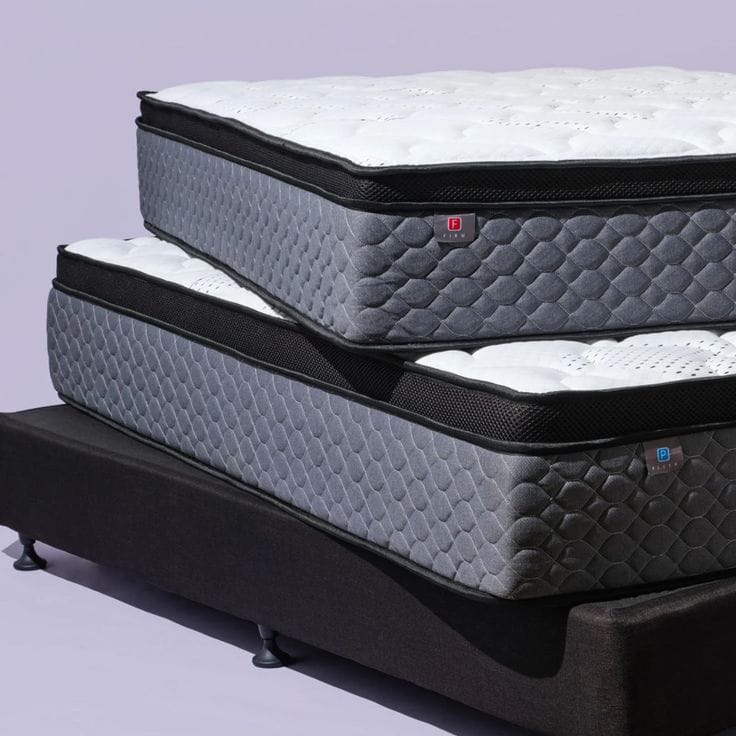
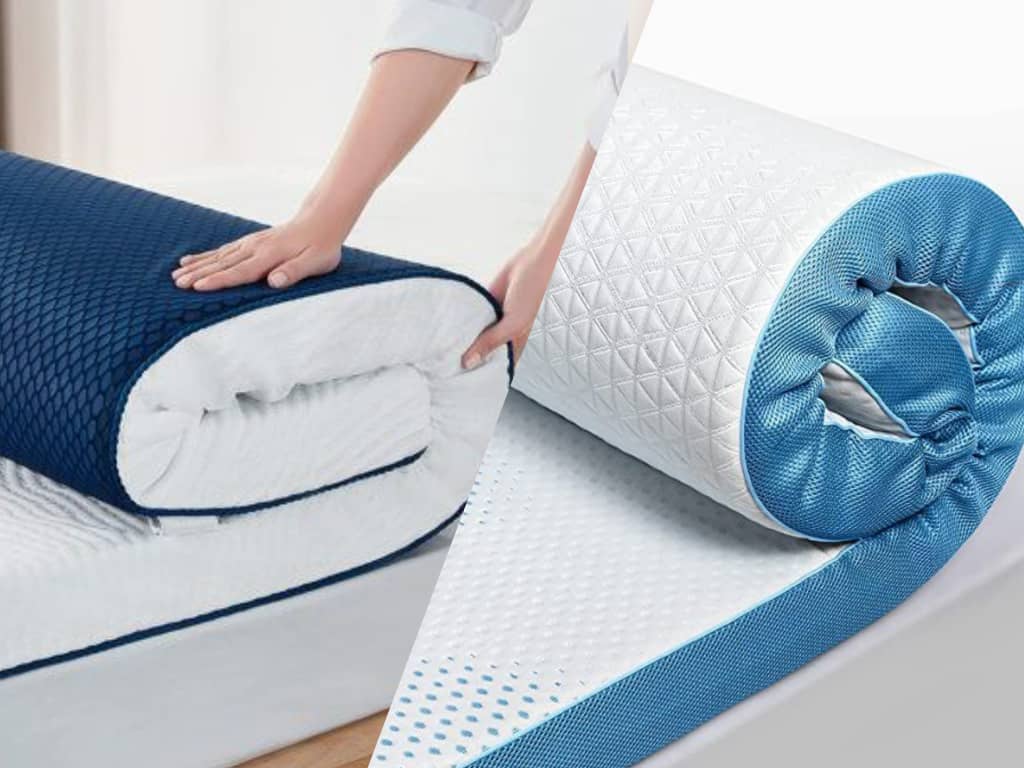
Mattress toppers are a simple way to upgrade comfort, improve support, and refresh an aging mattress. But like any bedding product, they come with a few drawbacks.
Still, it’s important to note that the advantages of mattress toppers outweigh the disadvantages by a wide margin, especially when you choose the right material and thickness.
Potential Drawbacks of Mattress Toppers
1. Additional Cost
Mattress toppers add an extra upfront cost, which may feel unnecessary if you already invested in a good mattress. However, the comfort upgrade and improved sleep quality make them a worthwhile addition for most users, especially when paired with a high-quality mattress.
2. Compatibility Problems with Bedding and Frames
Adding a topper can change the overall mattress height, affecting how fitted sheets stay in place. Regular sheets may pop off, forcing you to switch to deep-pocket sheets. In some cases, the added height puts mild strain on certain bed frames or makes the mattress sit too high, causing minor structural or ergonomic concerns.
3. Possible Initial Odor (Off-Gassing)
Many foam mattress toppers—especially memory foam—release a temporary chemical-like smell when first unpacked. This is known as off-gassing. While it is usually harmless and fades within a few days, it may be unpleasant for users sensitive to odors or those who prefer immediate use without ventilation.
4. Exacerbation of Pain or Discomfort
Choosing the wrong topper can worsen sleep issues.
If a topper is too soft, too firm, or not the right thickness, it may:
- Increase back pain
- Create new pressure points
- Misalign the spine
- Reduce support instead of enhancing it
This makes selecting the correct type crucial for comfort and pain relief.
5. Higher Maintenance and Cleaning Demands
Most toppers cannot be tossed into a washing machine. Foam toppers, in particular, require spot cleaning and tend to hold onto allergens, sweat, dust mites, and odors more easily. This can be inconvenient for people who prefer low-maintenance bedding.
6. Limited Longevity and Wear
Compared to full mattresses, toppers wear out faster due to their thinner structure. Over time, you may notice:
- Sagging
- Loss of firmness
- Soft spots
- Decreased support
Although high-quality toppers last longer, they are still more prone to early degradation than the mattress itself.
7. Added Bed Height and Accessibility Issues
Toppers add extra inches to your bed height. While some people enjoy the elevated look, others—especially seniors or individuals with mobility issues—may find it harder to climb into or out of bed. Shorter sleepers may also feel the bed becomes uncomfortably tall.
8. Shifting and Uneven Support
If a topper lacks anchor straps or a non-slip base, it may shift around during sleep. This can lead to:
- Uneven support
- Bunched-up material
- Constant readjustments
- Disrupted sleep
Proper securing or choosing toppers with anti-slip designs helps reduce this.
9. Temperature Regulation Challenges
Certain toppers, especially dense memory foam or cheaper synthetic blends, trap heat and can make you feel warmer at night. Hot sleepers may experience discomfort, night sweats, or sleep interruptions. If you naturally sleep hot, cooling gel or breathable latex toppers offer better temperature performance.
Despite These Drawbacks, the Benefits Still Win
Even with these disadvantages, mattress toppers remain one of the most cost-effective ways to improve sleep quality.
They enhance comfort, refresh old mattresses, add pressure relief, and offer hotel-like softness at a fraction of the price of buying a new mattress.
When chosen wisely, the benefits far outweigh these minor issues.
Useful Mattress Topper Resources from Mainfoam
- Shop Orthopedic Mattress Topper
https://mainfoam.com/shop/beds-accessories/orthopedic-mattress-topper/ - How Do I Use a Mattress Topper?
https://mainfoam.com/how-do-i-use-a-mattress-topper/ - Do Mattress Toppers Actually Work?
https://mainfoam.com/do-mattress-toppers-actually-work/ - How Many Inches Is Best for a Mattress Topper?
https://mainfoam.com/how-many-inches-is-best-for-a-mattress-topper/