
A Comprehensive Guide to Orthopedic and Semi-Orthopedic Mattresses
When it comes to choosing a mattress, one of the top concerns for many customers is durability—specifically, whether the mattress will maintain its shape over time or succumb to sinking and sagging.
A mattress that sinks can disrupt sleep quality, cause discomfort, and lead to spinal misalignment, especially for those with back or joint issues. In this blog post, we’ll explore why orthopedic and semi-orthopedic mattresses are among the best options for resisting sinking.
Thanks to their high foam density. We’ll also dive into what makes these mattresses unique, explain foam density in detail, and clarify why they may not be the best choice for children’s rooms unless recommended by a medical expert.
Additionally, we’ll suggest other durable mattress options and provide guidance to help you make an informed decision.
Understanding Orthopedic and Semi-Orthopedic Mattresses
What is an Orthopedic Mattress?

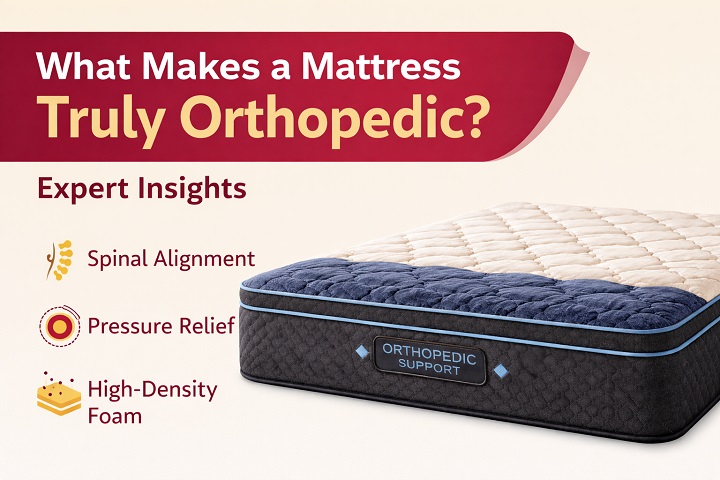
Orthopedic mattresses are specially engineered to support the musculoskeletal system, particularly the spine, joints, and pressure points. They are designed to promote proper spinal alignment, reduce pressure on sensitive areas, and alleviate discomfort for individuals with chronic back pain, arthritis, scoliosis, or other orthopedic conditions.
These mattresses are typically firmer than standard mattresses, offering robust support to prevent the spine from bending unnaturally during sleep.
Key Features of Orthopedic Mattresses:
- Materials: Orthopedic mattresses are often made with high-density foam (typically 50+ kg/m³ or 6+ lbs/ft³), memory foam, latex, or innerspring coils. These materials are chosen for their ability to maintain shape and provide targeted support.
For example, high-density foam contours to the body while maintaining firmness, and pocketed springs offer individualized support.
- Firmness: They usually have a medium-firm to firm feel, which helps distribute body weight evenly and minimizes sinking. This firmness is critical for maintaining spinal alignment, especially for back and stomach sleepers.
- Pressure Relief: Orthopedic mattresses often incorporate zoned support systems or multi-layer constructions to cushion pressure points like the hips and shoulders, reducing strain.
- Durability: Thanks to their high-quality materials, orthopedic mattresses are built to withstand constant use without sagging, making them a long-term investment for better sleep.
For example, M&F Mainfoam Limited, a Nigerian bedding company, offers orthopedic mattresses designed to provide optimal spinal alignment and support, specifically targeting individuals with back pain or orthopedic concerns. Their mattresses are crafted with high-density foam or memory foam to ensure durability and comfort.
What is a Semi-Orthopedic Mattress?
Semi-orthopedic mattresses offer a balance between the robust support of an orthopedic mattress and the comfort of a regular mattress. They are less rigid than full orthopedic models, making them suitable for a broader audience who want enhanced support without the intense firmness of a true orthopedic mattress.
Key Features of Semi-Orthopedic Mattresses:
- Materials: These mattresses typically use medium-density foam (30–50 kg/m³ or 3–5 lbs/ft³) or a combination of foam and springs. The foam provides moderate contouring, while springs add bounce and support.
- Firmness: Semi-orthopedic mattresses are -firm, offering a compromise between support and cushioning. They are ideal for those who need some spinal support but prefer a softer surface than a full orthopedic mattress.
- Versatility: They cater to a wide range of sleepers, including those without specific orthopedic conditions, who still want a durable mattress that resists sinking.
- Affordability: Semi-orthopedic mattresses are often more budget-friendly than full orthopedic models, making them accessible for those seeking durability without a premium price tag.
M&F Mainfoam Limited also offers semi-orthopedic mattresses that strike a balance between support and comfort, making them a popular choice for households looking for reliable, long-lasting sleep solutions.
Why Orthopedic and Semi-Orthopedic Mattresses Resist Sinking
The primary reason orthopedic and semi-orthopedic mattresses resist sinking is their foam density. Foam density is a critical factor in determining a mattress’s durability, support, and ability to maintain its shape over time. Let’s break down what foam density means and why it matters.
Understanding Foam Density
Foam density refers to the weight of a cubic foot (or cubic meter) of foam, typically measured in pounds per cubic foot (lbs/ft³) or kilograms per cubic meter (kg/m³). It indicates how much material is packed into a given volume of foam, which directly impacts the mattress’s quality, comfort, and longevity.
- Low-Density Foam (less than 3.5 lbs/ft³ or 40 kg/m³): These foams are softer and less expensive but wear out faster, leading to sinking and sagging over time. They are ideal for guest beds or temporary use but not for daily, long-term use.
- Medium-Density Foam (3.5–5 lbs/ft³ or 30–50 kg/m³): Offering a balance of comfort and durability, medium-density foam is commonly used in semi-orthopedic mattresses. It provides decent support and resists sinking better than low-density foam, with an average lifespan of 7–8 years.
- High-Density Foam (5+ lbs/ft³ or 50+ kg/m³): High-density foam is denser and heavier, making it more durable and supportive. It resists compression and sinking, maintaining its shape for 9–10 years or more. This is the primary material in orthopedic mattresses, often with densities ratings as high as 6–8 lbs/ft³ (80+ kg/m³).
Orthopedic Mattresses and Foam Density:
Orthopedic mattresses typically use high-density foam with a density of around 80 kg/m³ (approximately 5–6 lbs/ft³ or higher). This high density ensures the mattress can support heavier body weights, resist impressions, and maintain its structure over time. The dense foam prevents the mattress from sinking under pressure, making it ideal for individuals with back or joint issues who need consistent support.
Semi-Orthopedic Mattresses and Foam Density:
Semi-orthopedic mattresses use medium-density foam, typically around 40 kg/m³ (approximately 3–5 lbs/ft³). While not as rigid as high-density foam, this density still provides significant resistance to sinking and sagging compared to regular mattresses. It’s a great middle-ground option for those seeking durability without the firmness of a full orthopedic mattress.
Why Foam Density Matters for Durability:
Higher foam density means more material is packed into the mattress, which reduces the likelihood of compression and breakdown over time. Low-density foams have larger air pockets, making them more prone to collapsing under repeated pressure. In contrast, high-density foams have smaller, tightly packed cells that maintain their shape, ensuring the mattress doesn’t sink even after years of use. For example, a high-density foam mattress can last up to 10 years, while a low-density foam mattress may only last 5 years.
A Note on Other Mattress Types

While orthopedic and semi-orthopedic mattresses excel at resisting sinking due to their high and medium-density foam, this doesn’t mean other mattress types lack durability. For instance:
- Latex Mattresses: Natural latex is highly durable, often outlasting memory foam, with a lifespan of 10–15 years. Latex resists sinking and provides excellent support, though it can be more expensive.
- Innerspring Mattresses: These use steel coils for support and can be durable, especially when paired with high-density foam layers. However, lower-quality springs may sag over time.
- Hybrid Mattresses: Combining foam and springs, hybrids offer durability and comfort. High-density foam layers in hybrids enhance resistance to sinking, making them a versatile option.
When choosing a mattress, consider your specific needs, budget, and preferences. For example, M&F Mainfoam Limited offers regular mattresses that provide cost-effective comfort for everyday use, which may be suitable for those without specific orthopedic needs.
Why Orthopedic and Semi-Orthopedic Mattresses Are Not Ideal for Children’s Rooms

Orthopedic and semi-orthopedic mattresses are designed with a firm to medium-firm feel to provide robust support, which is ideal for adults with back or joint issues. However, this firmness level may not be suitable for children unless recommended by a medical expert. Here’s why:
- Firmness and Comfort: Children typically have lighter body weights and don’t require the same level of firm support as adults with orthopedic conditions. A mattress that’s too firm can feel uncomfortable and may not contour adequately to a child’s smaller frame, potentially disrupting sleep.
- Growth and Development: Children’s bodies are still developing, and a softer or medium-density mattress (around 3–3.5 lbs/ft³) is often sufficient to support their spine without being overly rigid. Low-density or medium-density memory foam mattresses are commonly recommended for children because they provide adequate support without excessive firmness.
- Medical Guidance: Orthopedic mattresses should only be used for children if a pediatrician or orthopedic specialist recommends them, such as for specific conditions like scoliosis. Without medical guidance, these mattresses may not provide the comfort needed for a growing child.
For children’s rooms, consider softer memory foam or hybrid mattresses with medium-density foam, which offer a balance of comfort and support. Always consult a healthcare professional if you’re considering an orthopedic mattress for a child.
Choosing the Right Mattress for You
To select a mattress that resists sinking and meets your needs, consider the following:
- Assess Your Needs: If you have chronic back pain or orthopedic conditions, an orthopedic mattress with high-density foam (80 kg/m³) is ideal. For general support and comfort, a semi-orthopedic mattress (40 kg/m³) may suffice.
- Check Foam Density: Look for mattresses with at least medium-density foam (3.5–5 lbs/ft³) for durability. High-density foam (5+ lbs/ft³) is best for long-term resistance to sinking.
- Read Reviews: Customer reviews, like those on M&F Mainfoam Limited’s website, can provide insights into real-world durability and comfort. Look for feedback from users with similar needs.
- Trial Periods and Warranties: Choose mattresses with trial periods (e.g., 100 nights) and long warranties (10–20 years) to ensure you’re investing in a durable product.
- Budget: Orthopedic mattresses are often pricier due to their high-quality materials. If budget is a concern, semi-orthopedic or hybrid mattresses offer a cost-effective alternative.
Relevant Resources
For more information on orthopedic and semi-orthopedic mattresses, check out these trusted sources:
- M&F Mainfoam Limited: Learn about their range of orthopedic and semi-orthopedic mattresses designed for spinal support and durability.
- Amerisleep: Memory Foam Density Guide: A detailed explanation of how foam density impacts mattress durability and comfort.
- Sleep Advisor: Orthopedic Mattresses: A comprehensive guide to understanding orthopedic mattresses and their benefits for spinal health.
- The Foam Company: Foam Density Science: An in-depth look at foam density and its role in mattress performance.
In a long, but easy to understand way, here is the basic concept that we want you to take away.
Orthopedic and semi-orthopedic mattresses are top choices for those seeking a mattress that resists sinking, thanks to their high-density (80 kg/m³) and medium-density (40 kg/m³) foam constructions. These mattresses offer superior durability and support, making them ideal for adults with back pain or orthopedic conditions. However, they are not typically recommended for children’s rooms due to their firmness, unless advised by a medical professional. While other mattress types like latex or hybrids can also be durable, the high-density foam in orthopedic models provides unmatched resistance to sagging, ensuring a long-lasting investment in your sleep health.
By understanding foam density and your specific sleep needs, you can choose a mattress that not only prevents sinking but also enhances your overall well-being. Explore trusted brands like M&F Mainfoam Limited for high-quality orthopedic and semi-orthopedic options, and always check foam density ratings to ensure you’re getting the best value for your money.